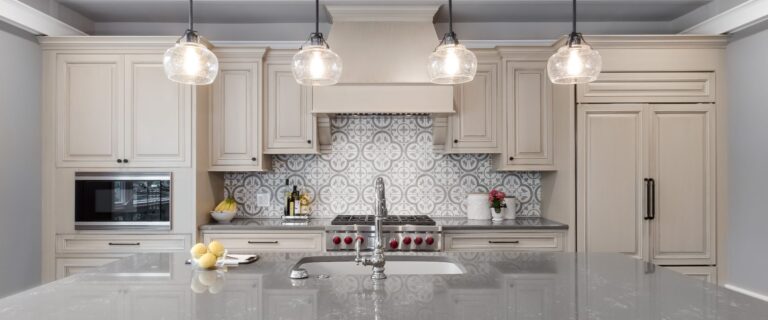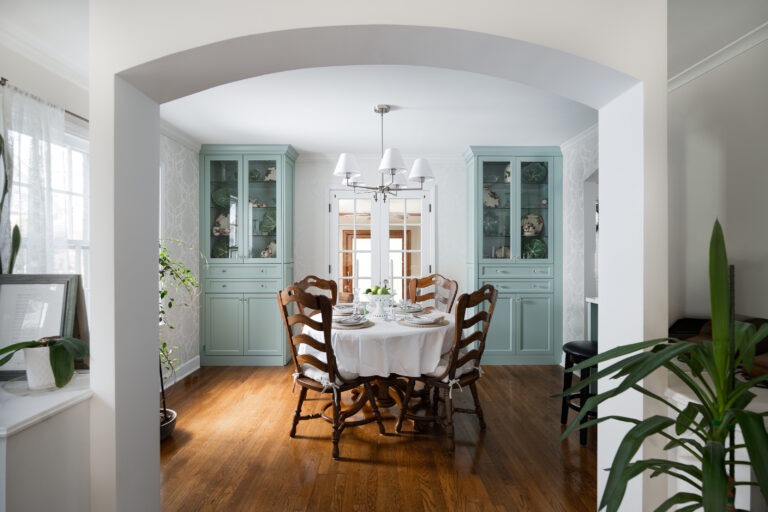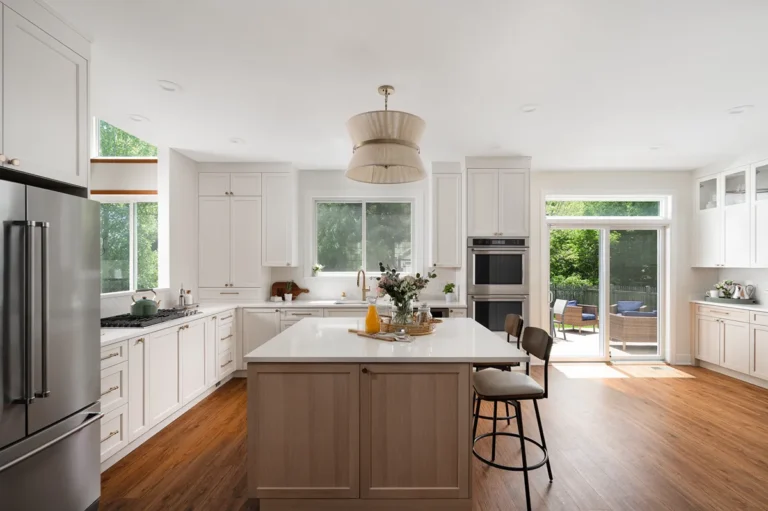

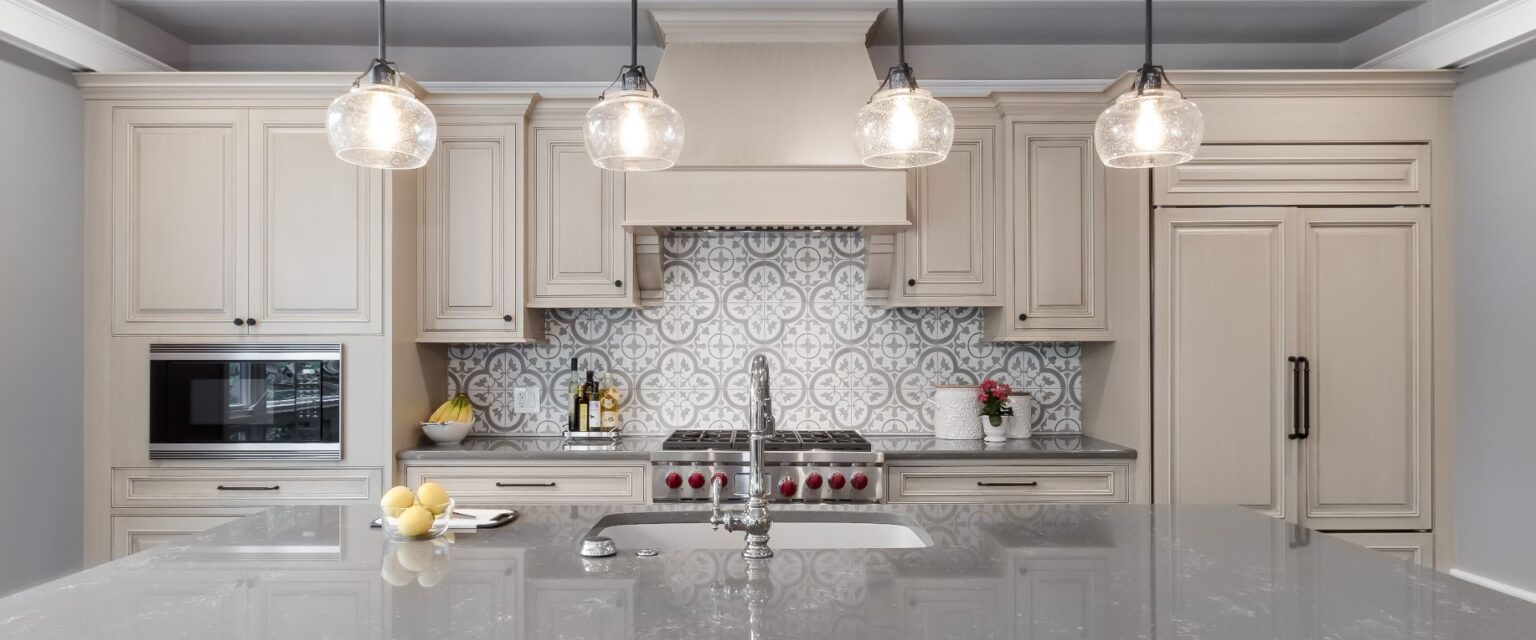
You love where you live. Your kids may be settled into their schools. You know the quickest way to the grocery store, your favorite restaurants are nearby, and your commute is manageable. Maybe you have spent years getting to know your neighbors and building a life in Glenview, Wilmette, Winnetka, Northbrook, Glencoe, or another North Shore community.
The problem is the house.
Maybe the kitchen is too small for the way your family lives today. The first floor feels divided into too many rooms. You need another bedroom, a better home office, more storage, or a primary suite that works for the next stage of your life.
That is usually when homeowners start asking whether they should remodel or move.
We do not believe remodeling is automatically the right answer. Sometimes another house really is the better choice. But on the North Shore, where location, schools, established neighborhoods, mature lots, and community connections can be difficult to replace, it is worth understanding what your current home could become before you give it up.
Start by Identifying What Isn’t Working in Your Current Home
The first thing we recommend is making a very specific list of what bothers you about your house.
That doesn’t necessarily mean list what looks dated. Instead ask: what actually makes daily life harder?
Maybe everyone ends up crowded around a small kitchen island while the dining room sits unused. Perhaps you have plenty of square footage, but it is divided in a way that no longer makes sense. Your mudroom may be too small for a North Shore winter full of coats, boots, backpacks, and sports gear. You may need a quiet office now that working from home has become part of your routine.
We see this often in older North Shore homes. A house may have plenty of charm and be in exactly the right location, but it was designed for a different way of living.
Some of those problems can be changed. Walls may be moved, rooms can sometimes be combined, kitchens can be opened to adjoining living areas, storage can be added, and underused spaces can be given a new purpose.
Other issues cannot be remodeled away.
If you need a much larger yard, want to live closer to Lake Michigan, need a different school district, or your daily commute no longer makes sense, another property may solve the problem more effectively.
The important question is not simply, “Do I like my house?” It is, “Could this house work for us if the right things changed?”
Compare the Full Cost of Remodeling With the Cost of Moving
Cost matters, but comparing remodeling with moving is not as simple as putting a remodeling estimate next to the purchase price of another North Shore home.
For a remodel, you need to understand what it would actually take to solve the problems in your house. A project involving a kitchen, several bathrooms, flooring, lighting, and new finishes is very different from one that also changes walls, adds space, or updates older plumbing and electrical systems.
The age of many North Shore homes can matter here. Homes that have been standing for decades may have gone through several generations of renovations. Before we can develop a realistic plan, we may need to understand what previous owners changed and what is behind the walls.
At Glenbrook Remodeling, we spend time on this planning because we want the price to reflect the project you are actually considering. Our process is designed to identify potential budget issues, develop the plans, and gather accurate labor and material information before construction begins.
Moving comes with its own larger financial picture.
You may need to prepare your existing house for sale, pay transaction and moving expenses, adjust to a different mortgage, and then make changes to the new home anyway. Finding a house in the right North Shore community does not necessarily mean finding one with the perfect kitchen, bathrooms, storage, or floor plan.
Compare both options as completely as you can.
Consider What You Can Change and What You Can’t
If you could change the parts of your house that frustrate you, would you want to stay?
That question is especially useful on the North Shore because many homeowners are attached to things that cannot be recreated inside another house.
You may love your street in Glenview. You may be able to walk into downtown Wilmette or Winnetka. You may value your proximity to Metra, the lakefront, parks, schools, or family members nearby. Those are real parts of where you live, and remodeling cannot replace them if you move away.
The house itself may be much more flexible.
Depending on the property, we may be able to improve the connection between the kitchen and family room, create a better first-floor layout, add storage, rethink bedrooms and bathrooms, or make the home easier to live in as you get older.
With an older home, however, we never want to assume a change is simple until we have looked at the house.
Older plumbing, electrical service, previous additions, structural walls, and other conditions can affect what is practical. The goal is to understand those limitations early so you can make the remodel-or-move decision with better information.
Weigh the Value of Staying in a North Shore Location You Love
Location is one of the biggest reasons North Shore homeowners hesitate to move.
It is easy to say, “We will just find another house nearby.” Actually finding one that gives you everything you want may be much harder.
You may want to stay within the same school boundaries. You may want a similar-sized lot with mature trees. You may want to remain close to the train because someone in the household commutes downtown. You may love being able to walk to local shops, parks, restaurants, or the lake.
You also may simply love your neighborhood.
Communities such as Wilmette and Winnetka have homes from many different periods and a strong sense of established neighborhood character. Moving within the North Shore can mean trading one advantage for another.
That does not mean you should remodel simply because you like your address.
It means your location deserves a place in the decision alongside square footage and cost. If replacing the location would be difficult, it makes sense to find out whether changing the house could solve the rest of the problem.
Think About Disruption, Timing, and the Moving Process
Neither remodeling nor moving is effortless.
A whole home remodel takes planning and can affect daily routines for months. Depending on the amount of work, you may need to live in another part of the house or temporarily move out.
Moving creates a different kind of disruption.
You need to prepare your current home for the market, keep it ready for showings, search for another property, compete for the right house, coordinate a sale and purchase, pack, move, and then settle in.
And the new house may still need work.
We encourage homeowners to think about which process gets them closer to the home they want, not simply which one sounds easier at the beginning.
Look at the Long-Term Fit, Not Just Today’s Needs
Your house should not only solve this year’s problems.
Think about what life may look like five or ten years from now.
Children grow. Work-from-home needs change. Parents may visit for longer periods. Adult children may return home temporarily. Stairs that are not an issue today may become less convenient later.
For homeowners who expect to remain on the North Shore long term, these questions can change how we look at a remodel.
Could a first-floor room eventually serve as a bedroom? Would a better bathroom layout make the home easier to use later? Could a remodeled kitchen and family area make the house work for both everyday life and large family gatherings?
A home does not have to solve every possible future need. But if you are considering a significant investment, it should have enough flexibility to serve you for years.
Make a Decision With a Clear Plan and Realistic Numbers
If you are still deciding whether to remodel or move, put the two choices on paper.
Start with the things you absolutely need. Then separate them into three groups:
- Things your current home could potentially change
- Things only another property could provide
- Things you need more information about
Next, develop a realistic remodeling plan. Not a rough guess from an online calculator, but a clear idea of what would need to change and what that project could involve.
Then compare it with the real moving option available to you. Look at houses you would genuinely consider in the North Shore communities where you want to live. Consider what they cost, what compromises they require, and what you might still want to remodel after moving in.
That comparison usually makes the decision much clearer.
At Glenbrook Remodeling, we have been working with North Shore homeowners since 2005. Our job is not to convince every homeowner that remodeling is the answer. It is to help you understand what your home could become so you can make that decision with confidence.
If you love your neighborhood but your house no longer works for the way you live, a whole-home remodeling conversation is a good place to start. We can look at what you have, talk through what you want to change, and help you determine whether staying in the home and North Shore community you already love makes sense.
—
Contact us today to get started on your whole home remodeling project.